Understanding Awaab's Law
Explore Awaab's Law, set to transform social housing. Learn its impact on addressing hazards.
Understanding Awaab's Law: A New Era for Social Housing
Awaab's Law marks a significant shift in the social rented sector, aiming to improve living conditions for tenants. Set to be enforced from October 2025, this legislation requires social landlords to address emergency hazards, as well as damp and mould, within fixed timeframes. Let's explore what this means for both tenants and landlords.
The Genesis of Awaab's Law
Awaab's Law emerged from a growing recognition of the impact of poor housing conditions on tenant health and well-being. Named in memory of a young tenant whose tragic story highlighted the urgent need for reform, this law represents a commitment to ensuring safe and healthy living environments for all social housing residents.
Key Provisions of Awaab's Law
Under Awaab's Law, social landlords are mandated to address two primary concerns:
Emergency Hazards: These include any immediate risks to tenant safety, such as structural issues or faulty electrical systems. Landlords must rectify these hazards promptly.
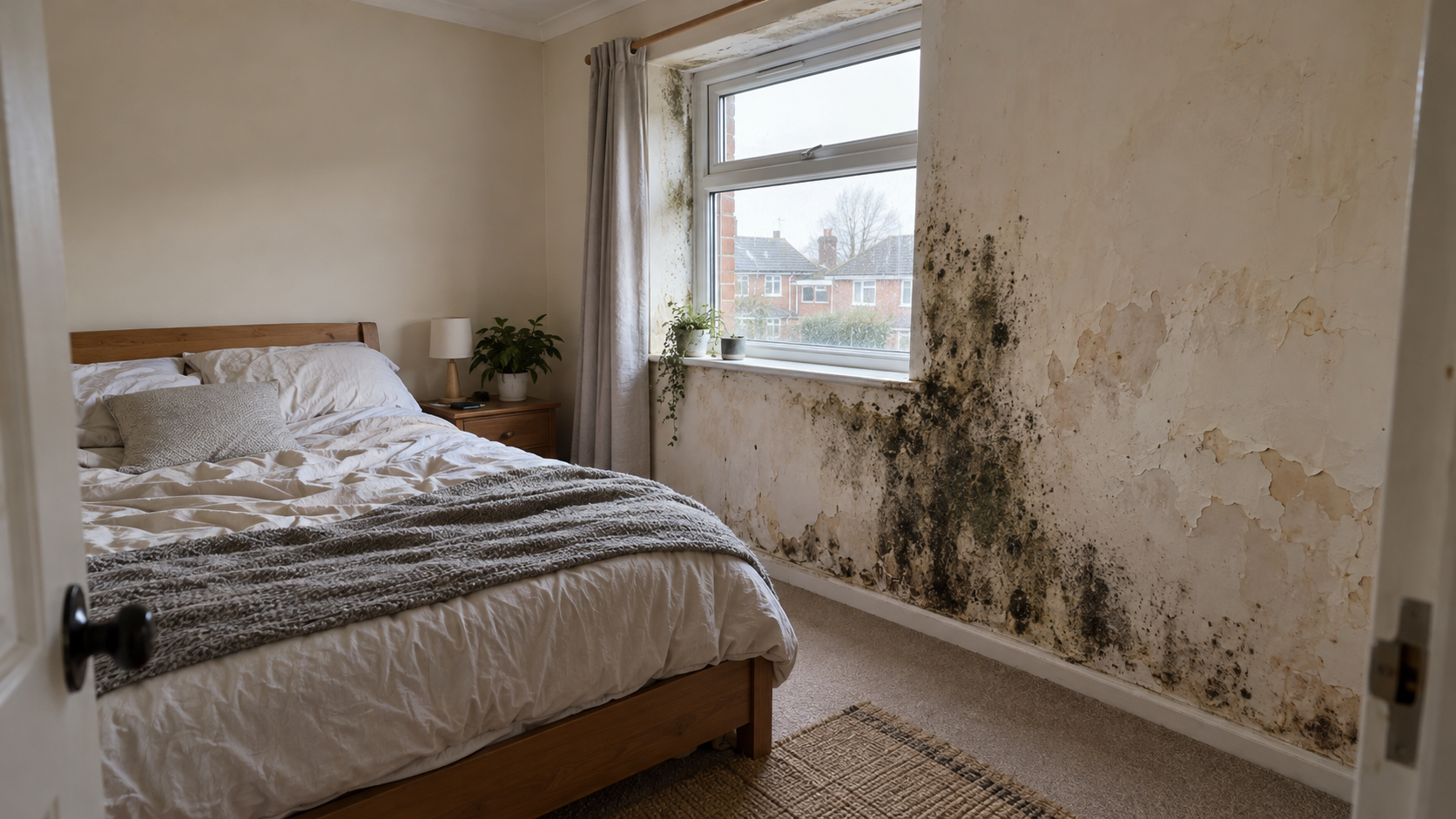
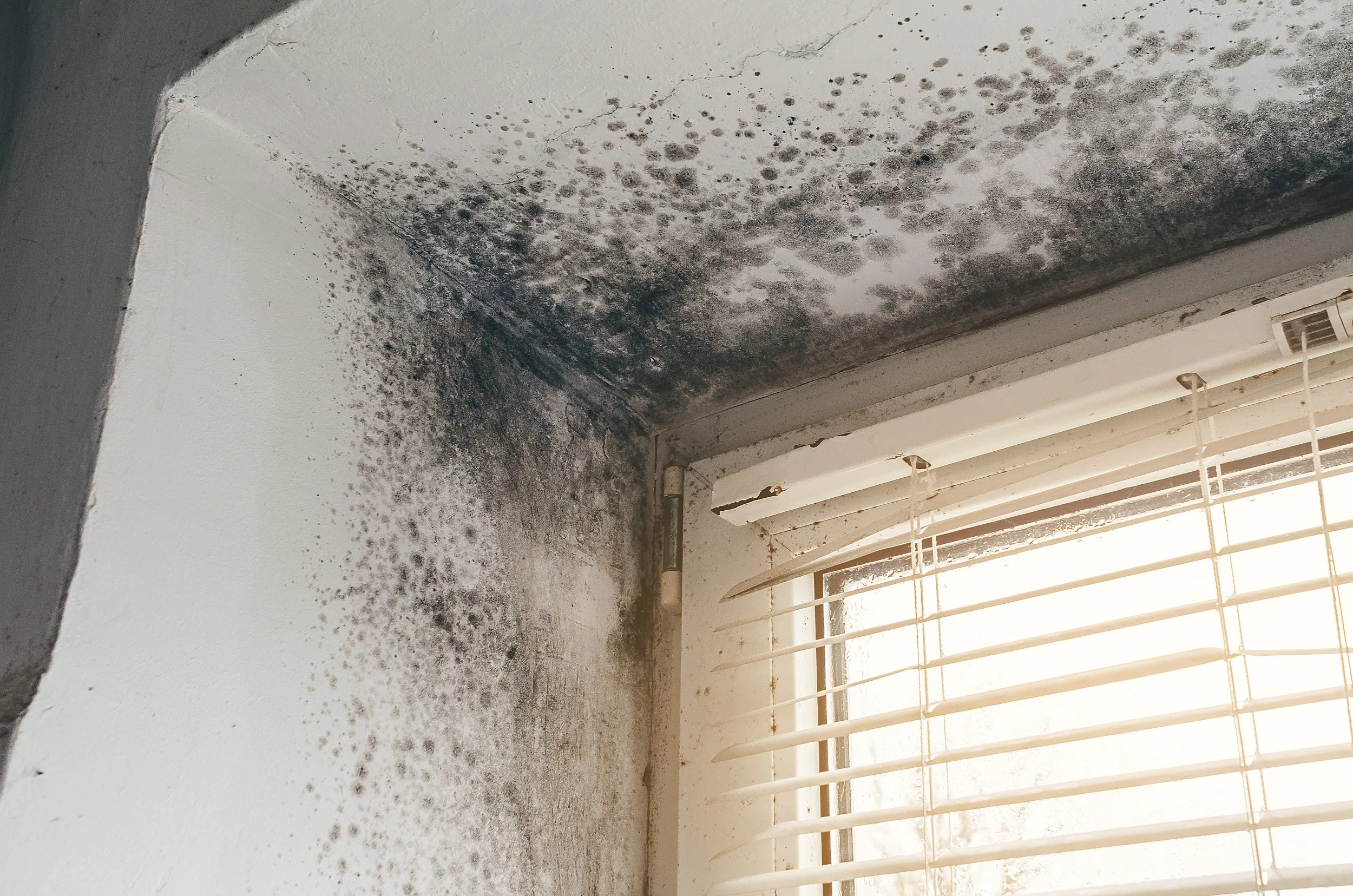
Damp and Mould: Recognized as significant health risks, damp and mould must be addressed within prescribed timeframes. This proactive approach aims to prevent long-term health implications for tenants.
Implications for Social Landlords
Social landlords must adopt new strategies to ensure compliance with Awaab's Law. This involves:
- Routine Inspections: Regular property checks to identify potential hazards early.
- Efficient Response Systems: Implementing systems to quickly address reported issues.
- Tenant Engagement: Educating tenants about reporting procedures and the importance of timely communication.
Failure to comply with these requirements could result in legal and financial repercussions for landlords.
How Tenants Can Benefit
For tenants, Awaab's Law offers a framework to demand better living conditions. Tenants should:
- Stay Informed: Understanding their rights and the obligations of landlords under the new law.
- Report Hazards Promptly: Encouraged to report issues as soon as they arise to expedite resolutions.
- Seek Advice: If issues persist, tenants can seek advice from a solicitor or consider lodging a complaint with the Housing Ombudsman Service.
Preparing for the Changes
Both landlords and tenants have time to prepare for the implementation of Awaab's Law. This preparation period is crucial for fostering a culture of accountability and proactive maintenance in the social housing sector.
FAQs about Awaab's Law
What prompted the introduction of Awaab's Law?
Awaab's Law was introduced following significant public concern over the health impacts of poor housing conditions, particularly damp and mould.
How can tenants report hazards under Awaab's Law?
Tenants should report hazards directly to their landlords. If unresolved, they can escalate the issue to the Housing Ombudsman Service.
What are the consequences for landlords who fail to comply?
Non-compliance can lead to legal actions and potential fines, emphasizing the importance of adherence to the law.
Conclusion: A New Standard for Social Housing
Awaab's Law promises to set a new standard in social housing, prioritizing tenant safety and health. As the implementation date approaches, both landlords and tenants must work together to ensure these new regulations benefit all parties involved. By fostering an environment of accountability and proactive maintenance, Awaab's Law has the potential to significantly improve living conditions across the social rented sector.